Before you appoint an architect, you should be able to understand what their services are likely to cost. Yet for someone planning an extension, renovation or new home, finding a useful answer can be surprisingly difficult.
A percentage on one website, an hourly rate on another and a request to arrange a consultation offer little basis for comparison. Every project has its own demands. An older property with structural uncertainties needs different work from a straightforward new building. That explains why a final fee requires discussion. It does not remove the need to give clients a clear starting point. Without an early indication, homeowners can spend time developing a brief before discovering that professional fees have not been allowed for. It can also make a perfectly reasonable proposal feel unexpected. Publishing a useful guide helps clients consider architectural services alongside the building budget from the outset.
At Hamer Way, we believe fee information should help you plan before you commit. Understanding how fees developed, what the different charging methods mean and what is included makes that conversation far more useful.
How architectural fees have changed
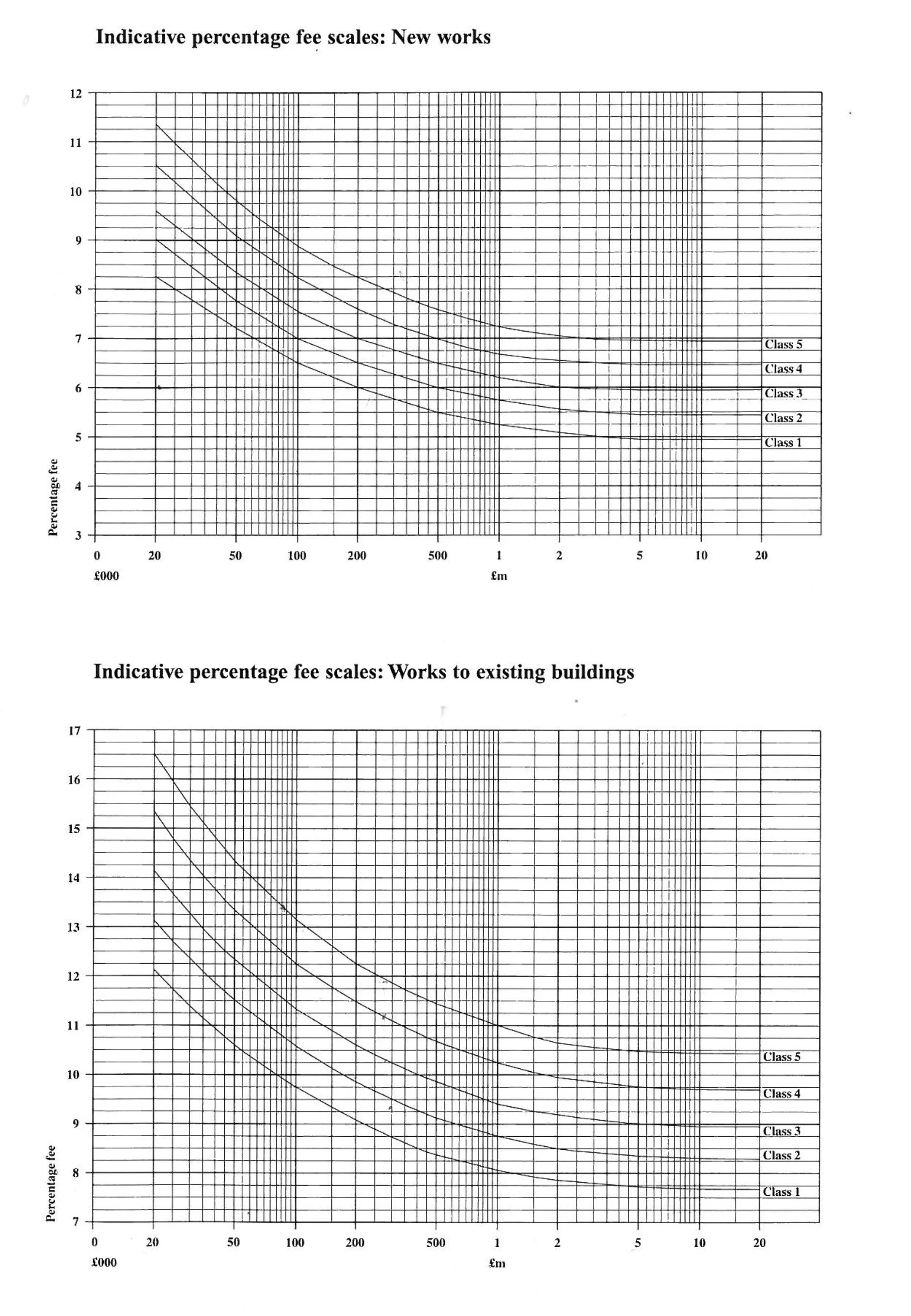
Historically, architectural fees in the UK were shaped by professional fee scales. RIBA's mandatory minimum scales ended in 1982, following competition scrutiny. Recommended and indicative scales were subsequently withdrawn, and its own fee surveys stopped in 2009. Practices now set their own fees. This gives clients choice and allows appointments to reflect the particular project. It also means that two proposals may use different pricing methods and cover quite different services. That history helps explain why there is no single standard answer to “What does an architect cost?” Our view is that the response should still be understandable. A client should not need experience of the construction industry to work out what they are being offered.
The main ways architects charge
Fixed fees set a price for a defined service or stage. They give useful budget certainty when the brief is clear. The appointment should explain how changes to the brief or additional services will be priced.
Hourly or time charges relate the fee to time spent. They suit exploratory work where the amount of input is uncertain. Agree the rate, an estimated allowance and when approval is needed before that allowance is exceeded.
Percentage fees link the charge to an agreed construction cost. They can respond to the scale of the project, although the final amount may change. Clients should understand which costs are included and when the fee will be recalculated.
Combined or hybrid arrangements use different methods for different tasks. An architect might charge hourly for early feasibility work, then agree fixed fees once the brief is established. The method for each stage should be explicit.[2]
Each approach can be transparent. Problems arise when the basis of calculation or the boundaries of the service remain unclear.
Comparing scope and value
Two prices only become comparable when you understand what sits behind them. A fee for preparing a planning application covers a different task from an appointment that also includes technical information and support during construction. Describing both simply as “architect’s fees” hides a substantial difference. Ask what you will receive at each stage, who will do the work and how much involvement is allowed for. Clarify how design revisions, extra meetings or an extended building programme would be handled. Agree when payments fall due and how any proposed additional fee will be discussed. Clear written terms are part of professional practice. The Architects Registration Board's guidance identifies the scope of services and the fee, or its calculation method, as key information to establish before work begins.
Value also depends on the thinking behind the drawings. Exploring the brief, testing layouts and resolving awkward details takes time. A fee proposal should make room for that work and explain what it delivers. Clients can then judge the service against their priorities, rather than trying to infer quality from a headline total. For example, a low initial fee may cover a single design proposal. Another may allow several options and more discussion before a direction is agreed. Neither figure tells you enough on its own. Understanding those allowances helps you choose the level of input your project needs.
The fee calculator needs JavaScript. You can also book a conversation with Hamer Way Architects.
A clearer starting point with Hamer Way
We have developed the Hamer Way fee calculator to make those first cost conversations easier. It is designed to give you an early indication of our architectural fees, with a visible connection between the project information you enter and the services you select. You can adjust the construction budget, choose a project type and identify the main planning context, then explore different levels of design complexity. The calculator also lets you compare four cumulative service options. Stages 1–2 cover Brief and Concept Design; Stages 1–3 add Planning; Stages 1–4 add Technical Design; and Stages 1–6 extend through Delivery.
The fee range updates as you change your choices, with a breakdown by stage and a clear VAT setting. That helps you see what extending our involvement might mean for your budget and gives us a more informed starting point for discussion. You can use it while your plans are still taking shape. Trying a smaller budget or a different service package can help you decide which questions to bring to us, before any detailed design begins.
An online estimate cannot assess everything about a building or site. We will review your brief and confirm our services and fees in a written proposal before appointment. The calculator also identifies exclusions, including surveys, other consultants, application fees, tendering, appeals and Principal Designer services. These need separate consideration in the overall project budget.
Try the Hamer Way fee calculator, explore the level of support you need and bring the results to an initial conversation with us. You should leave that conversation understanding what you are paying for, what remains to be agreed and how the next stage will proceed.
